

How data-driven licensing manages the heritage intellectual property boom and unlocks evergreen franchise value
When the Barbie movie crossed $1 billion at the box office in 2023, it validated what savvy licensors already knew: nostalgia is a commercial force reshaping entertainment licensing.
Evergreen franchises — heritage intellectual property (IP) with multi-generational appeal — now generate 77% of entertainment licensing revenue, according to Licensing International. The entertainment and character sector represents $149.8 billion, roughly 40% of the global licensing market.
But here’s what surprises even the most seasoned executives: heritage IP’s dominance continues growing year over year, defying conventional wisdom that evergreen properties maintain magical staying power on their own. They don’t. IP owners must constantly reinvent without recreating, using the same discipline that keeps brands like Apple, McDonald’s and Starbucks relevant decade after decade.
What makes this nostalgia wave different? The primary purchasing demographic has transitioned from Baby Boomers to Gen X and beyond. These newer generations share technology as a common thread. Combine advanced technology with emotional brand attachment and you’ve created something inherently longer-lasting.
Evergreen franchises are the industry’s crown jewels, but maximizing their value demands data-driven precision across rights, royalties and relationships.

The hidden cost of nostalgia
Evergreen franchises carry multi-generational brand equity, decades of infrastructure and cross-category adaptability spanning apparel, collectibles, gaming and experiential offerings. Emotional connections provide revenue stability that new properties can’t replicate.
Disney exemplifies this mastery. A single 1930s animated film generates revenue across theatrical releases, VHS, DVD, Blu-ray, 4K and streaming. Each format change monetizes the same IP without new production costs. By continuously adapting to shifting generational preferences and distribution technologies — while preserving core brand values — they've secured the top position in entertainment licensing. But tracking rights, revenue shares and royalties across decades of formats and licensing deals demands centralized data management.
In uncertain times, consumers gravitate toward the familiar. Yet misreading what audiences want proves catastrophic.
Consider New Coke: Coca-Cola tried trading on nostalgic attachment while introducing a new formula. The opposite occurred. They recovered by pushing “Classic Coke”— reminding their market that classics are classic for a reason.
This reduced creative risk comes with a trade-off: increased operational complexity that quietly erodes margins.
Three ways heritage IP can fail
The challenges facing heritage IP fall into three interconnected categories:
- Rights and revenue complexity
Legacy contracts span decades, media types and geographies. Pre-digital clauses and splintered ownership create ambiguity. Even a 2-3% leakage rate represents millions in lost revenue. Multi-channel licensing amplifies reconciliation errors, while manual royalty processes make underreporting difficult to detect. Any year-over-year revenue drop signals an existing threat. - Operational bottlenecks
Manual approvals delay launches, causing licensors to miss high-value nostalgia spikes — anniversaries, film tie-ins, cultural moments. Inconsistent metadata on assets, rights and territories blocks automation and hinders performance tracking. These gaps cascade through every process. - Measurement and relationship gaps
E-commerce, retail, social and experiential data live in silos, preventing real-time optimization. Outdated contract language fails to anticipate streaming or interactive gaming, straining partnerships. When licensors have data backing their decisions, there’s little room to argue. Without data, demands seem arbitrary and licensees search elsewhere.
The most common objection? “We’ve always done it that way.” For an evergreen brand to endure, decision-makers must invite carefully measured change.
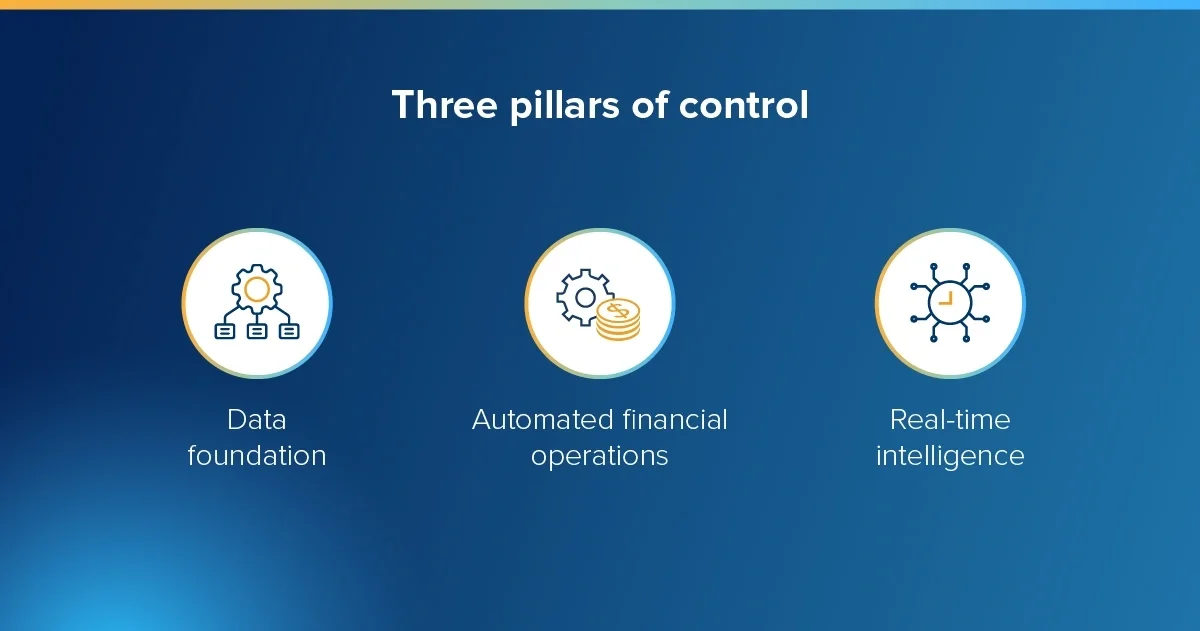
Leading licensors address heritage IP challenges through three strategic pillars:
- Build a data foundation
Centralize rights and metadata into a single source of truth for contracts, clauses, territorial rules and assets. This delivers the fastest time-to-value, enabling organizations to identify trends and implement predictive analytics. Digitize and continuously update amendments, side letters and digital rights — codified terms empower faster, globally consistent decisions. Establish pre-approved creative frameworks and templated contracts that accelerate partner onboarding while maintaining compliance. - Automate financial operations
Implement automated rules that flag inconsistencies early, detect leakage and identify lost revenue before it compounds. Rule-based engines streamline reconciliation, reduce manual errors and provide transparent audit trails that strengthen trust.
For CEOs and CFOs who’ve built careers on instinct, data makes intuition exponentially more powerful. - Enable real-time intelligence
Aggregate sales, e-commerce, social and experiential data into a single analytics layer. Track real-time KPIs to quickly identify high-performing partnerships and underperforming initiatives. Providing partners with validated ownership data and transparent reporting establishes the professional standard in an ecosystem where trust remains fragile.

The measurable payoff
Modern licensing programs achieve tangible returns from automation. Unified data and real-time intelligence turn every part of the process — from royalties to partner strategy — into an advantage.
- Financial performance
Automated monitoring detects underreporting and protects revenue. Analytics uncover high-opportunity markets while predictive modeling improves forecasting accuracy. - Operational efficiency
Accelerated partner onboarding shortens time-to-market during cultural resurgence moments. Leading licensors report significant reductions in onboarding time after implementing automated workflows.
- Strategic advantages
Unified data enables faster, smarter decisions. Standardized royalties prevent disputes. Real-time analytics turn licensing from reactive to strategic. Beyond metrics, management discovers insights they didn’t know were factors in the brand’s life — insights that transform strategic conversations and partner relationships.


The path forward
Evergreen franchises are licensing’s most valuable assets, yet also the most complex to manage. Combine nostalgia’s emotional resonance with data-driven operational mastery to dominate the next licensing era.
Implement centralized rights management, automated compliance, streamlined onboarding and unified analytics to protect revenue, accelerate time-to-market, strengthen partnerships and optimize campaigns in real time.
Looking ahead, the smart money is on co-branding: combining powerful heritage IP with complementary properties. Forward-thinking licensors should identify IPs that align with their brand and build new dual brands with unique products.
As digital transformation reshapes licensing and consumer demand for nostalgia intensifies, winning licensors will marry heritage IP’s emotional power with operational excellence.
Evergreen franchises remain the crown jewels.