

How generic drug manufacturers can restore profit margins and compete effectively
The landscape of generic pharmaceuticals has undergone a dramatic change. Over 2 decades, the industry evolved from a profitable growth engine into a dense, unforgiving operating environment, shaped by razor-thin margins, bankruptcies, and consolidation. While the challenges are real, so are the opportunities for manufacturers willing to adapt strategically.
Five structural trends are now reshaping the future of generic pharmaceuticals, and together they point to where sustainable profitability is possible. In this 2-part series, we explore these trends in depth. Part 1 covers three foundational shifts that are redefining the competitive landscape.
1. The pharmaceutical margin squeeze is the new baseline for profitability
The generic drug industry once promised straightforward profitability: replicate an off-patent molecule, manufacture efficiently, and capture market share. That playbook no longer works. Today’s generic pharma market faces commoditization pressures that have forced even established players to rethink their operational and commercial models.
The margin squeeze affecting generics reflects how the market operates today: pricing power is concentrated downstream, and competition intensifies with each new entrant. Generic drug companies can still profit, but success requires fundamental changes in how you operate and compete. The question isn’t whether the generic pharma business remains viable. It’s how you position yourself for the next chapter.
These pressures are global. In Europe, cost-containment mechanisms such as national tenders and reference pricing systems further intensify margin pressure. While regulatory structures differ, the outcome is similar: sustained downward pricing pressure that compresses margins and accelerates the need for operating model transformation.
2. Complex generic drugs offer differentiation to manufacturers
A shift is reshaping competitive dynamics in the generic drugs market: the rise of complex generics. In Europe and across EMEA, these are often referred to as “hybrid applications” or “hybrid medicines,” reflecting differences in regulatory pathways while reinforcing the same strategic reality. These present manufacturing, testing, and administration challenges create natural barriers to entry regardless of geography.
What makes a generic “complex”? These drugs typically involve:
- Intricate formulations
- Specialized delivery systems
- Unique dosages or devices
- Active ingredients with sophisticated molecular structures
Manufacturing a complex generic drug requires capabilities beyond those of traditional generic production. This complexity creates opportunity. As patents on complex branded drugs expire, manufacturers with the right technical and operational capabilities can compete in less saturated markets.
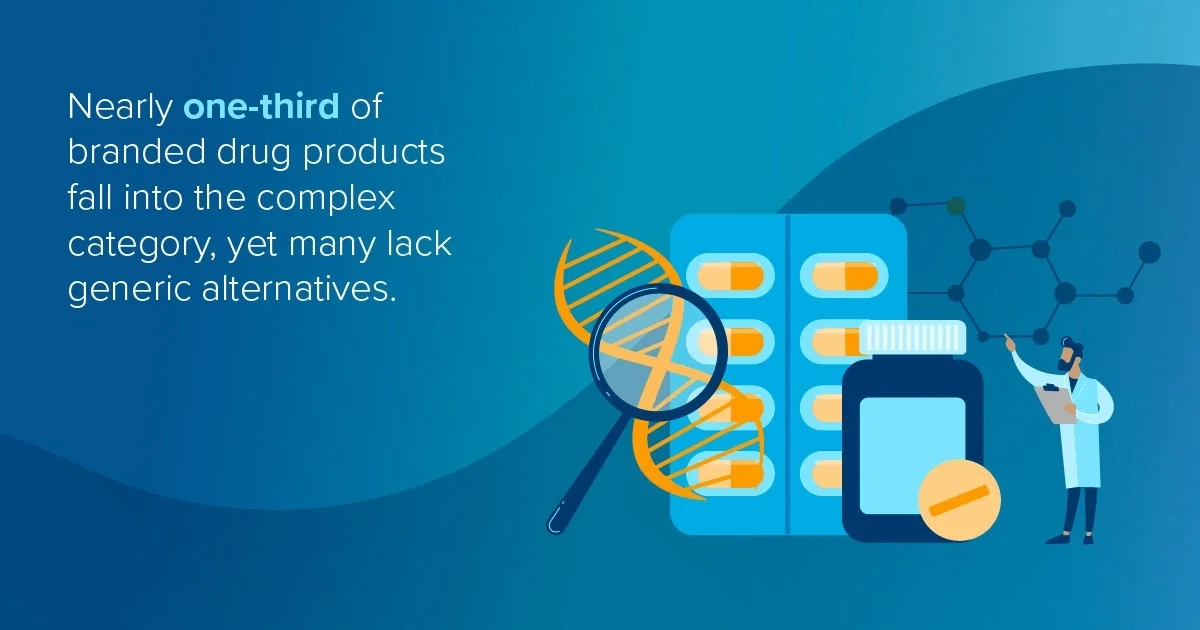
The FDA designated complex generics as a primary focus area in regulatory science, signaling continued pathway development. Complex generics offer three compelling advantages:
- Market differentiation
- Higher profit margins
- Competitive positioning in less saturated markets
When fewer manufacturers can replicate a complex product, you’re not competing in a race to the bottom on price.
As portfolios become more complex, manufacturers must also manage increasingly complex pricing, contracting, and revenue dynamics that many generics companies underestimate. Capturing a 360° view of your full margin opportunity requires more than technical excellence; it depends on having full visibility and control to manage these complexities with confidence, an area where an enterprise software platform such as Vistex plays a critical role.
3. The biosimilars opportunity offers generic manufacturers margin resilience
Biosimilars represent another avenue for generic pharma manufacturers to escape the commodity trap, although they operate under different economic conditions. While biosimilars function as highly similar, lower-cost alternatives to complex biologics, their pricing dynamics differ significantly.
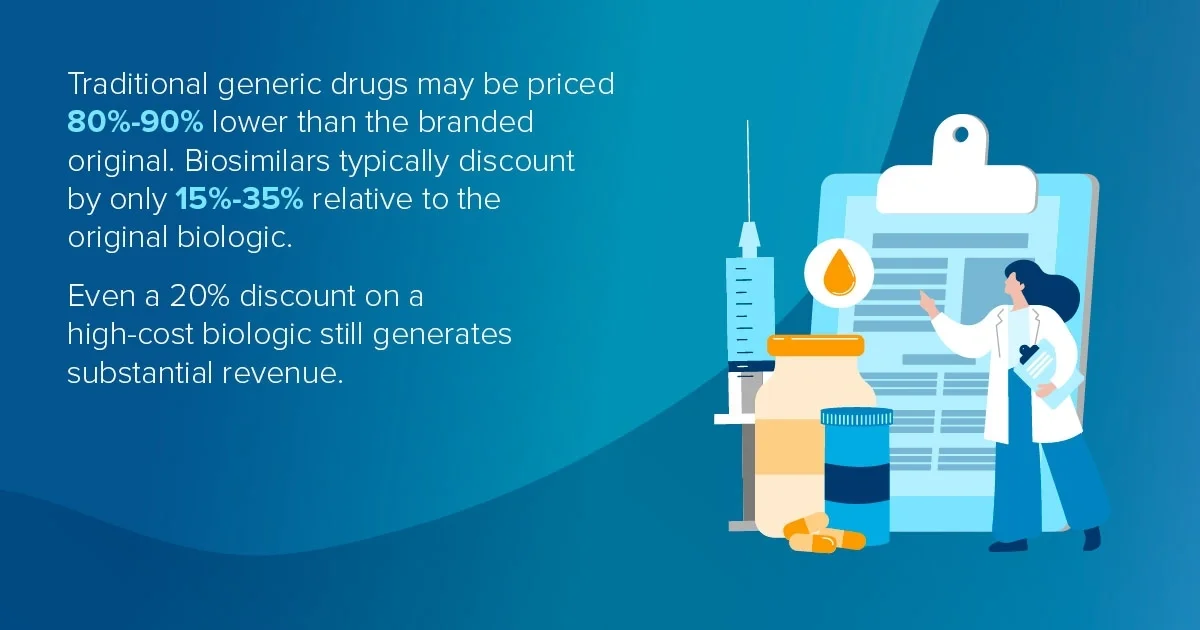
For manufacturers capable of navigating the highly regulated biosimilars pathway, this represents a meaningful opportunity to maintain healthier margins than those permitted by commodity generics.
Europe plays an even more important role in biosimilars. The region leads with European Medicines Agency approvals and aggressive national quotas designed to accelerate adoption. Germany’s AMNOG reference pricing framework utilizes a value-based, negotiated, and reference-priced system to manage biosimilar costs.
France’s strict, ambitious policies aim to drive biosimilar adoption by targeting 70%-80% market penetration for key biosimilars, including those for adalimumab (Humira), through financial incentives and pharmacy-level substitution rights.
One way to effectively leverage the sales potential of complex generics and biosimilars is through your pricing strategy. For instance, offering unique rebate strategies on your higher-margin offerings to drive sales across your portfolio. The challenges posed by a complex market and regulatory environment require a single-source-of-truth solution that can adapt to rules and market dynamics.
You need a revenue management software solution that lets you build and simulate your strategy. This is where Vistex can help. Our AI, data science, analytics, forecasting, pro formas, and Gross-To-Net analysis tools can help you develop the most effective strategy to meet your biosimilar product goals.
What’s next for generic pharmaceuticals
These three trends are fundamentally reshaping how generic pharmaceutical manufacturers compete and capture value. But the transformation doesn’t stop here.
In Part 2, we explore two additional strategic shifts that are redefining operational models: how manufacturing is becoming a core competitive strategy and how direct-to-patient distribution models are giving manufacturers new pathways to pricing power and margin control.
Mastering these market dynamics is essential, but operational excellence will determine who truly succeeds.